
More than a weight loss drug: the far-reaching effects of Ozempic on health and society
GLP-1s are changing entire industries — and more of us could be using them soon


In recent years, Ozempic has become a household name, helping everyone from celebrities to coworkers lose weight.
In fact, a survey from Dalhousie University estimated that between 900,000 and 1.4 million Canadians were taking the injectable medication or similar drugs in 2024 — a number that is only expected to grow.
Ozempic and other glucagon-like peptide-1 receptor agonists (GLP-1s), are used in the treatment of Type 2 diabetes and obesity. They work by regulating blood sugar, slowing stomach emptying and increasing feelings of fullness. Some studies have shown that people using these medications can lose 10 to 15 per cent of their body weight over a year.
But GLP-1s aren't just changing what we see on the bathroom scale. According to a new documentary, they're also having far-reaching effects throughout society, impacting how we shop for food and how we dress. And early research suggests GLP-1s may help to treat a range of other health issues too, meaning we could soon be using them on an even broader scale.
In The Ozempic Effect: Beyond the Waistline, industry leaders and trendspotters speak to the big impacts the drugs are already having, while researchers who are exploring their other potential uses discuss where things might go in the future.
Big shifts in consumer behaviour
Because of the sheer number of GLP-1 users, a range of industries are seeing significant shifts in consumer behaviour.
Major players in the food industry, for example, are noticing trends toward whole foods, smaller portions and less snacking.
In 2023, Walmart's U.S. CEO said that people who picked up a prescription for a GLP-1 at the brand's pharmacies and also bought groceries on the same shopping trip tended to purchase fewer units of food.
"Every calorie that they eat has to count for more," says Jo-Ann McArthur, president of Nourish Food Marketing in Toronto, in the documentary. "And the challenge for the food industry is finding their share within that smaller plate size."
People in the fashion world are noticing changes too. Aileen Selkirk, owner of Toronto's Posh Boutique, has been in business for 44 years.
"From last year to this year, in terms of sizing … we definitely sold more smaller sizes than we did the previous year," she says in The Ozempic Effect.
The boutique has even sold more belts. "Women are slimming down and they want to show off their waist," Selkirk explains.
Wedding dress tailors are also finding they need to do more extensive alterations than ever before in response to huge GLP-1–driven weight losses among brides.
"We've always seen brides lose some weight during the process … five, 10, 15 pounds," says Susan Ruddie, owner of The Wedding Dresser in Brooklyn, New York. "But that's a very different kind of weight loss than what happens with Ozempic. The brides tend to be losing more like 35, 40 pounds. I have heard of weight losses up to 80 pounds."
"I see a world where, if everybody's on Ozempic, there won't be enough humans in the world to alter those dresses."
More than a weight loss drug
In addition to helping people manage their body weight, experts say GLP-1s are showing promise in the treatment of addictions, whether they're to alcohol, opioids, gambling or porn.
"GLP-1 medications seem to affect the reward pathway for not only food, but also for drugs and alcohol and some other addictive behaviors," says Dr. Alexandra Sowa, author of The Ozempic Revolution. "Their brain tells them they don't need it anymore."
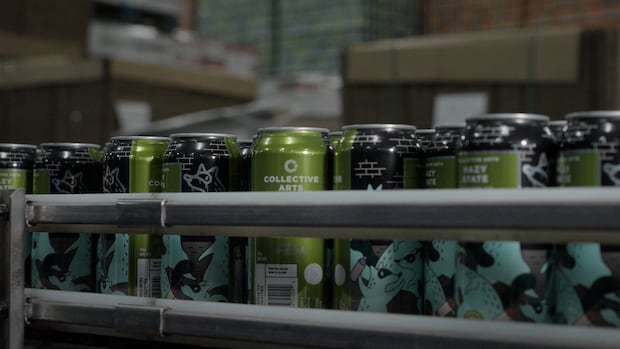
Researchers are also exploring a number of other potential effects of GLP-1s, including how they may help people treat or reduce their risk of certain diseases.
"There are a few mechanisms that are leading to such a profound health benefit from GLP-1s," Sowa says.
"What we are seeing is that by improving metabolic health with these medications, we're decreasing a whole host of diseases — 16 types of cancer, cardiovascular disease, dementia, Alzheimer's."
But while the potential benefits of GLP-1s seem promising, there are other less desirable effects of the powerful medications.
According to the makers of Ozempic, common side effects of the drug may include nausea, vomiting, diarrhea, constipation and abdominal discomfort. Less common but more serious side effects may include pancreatitis, low blood sugar, changes in vision and severe stomach problems.
In the documentary, experts discuss the potential for reduced muscle mass and bone density as a result of rapid weight loss.
People also tend to get less satisfaction from eating when taking these medications, they say, which can affect their social life.
"We're seeing that people on these drugs are not going out to restaurants as much. I think it's kind of sad myself. I think, you know, there's the joy in food and the sharing," McArthur says.
This is only the beginning
With Ozempic and other GLP-1s bringing about weight loss on a massive scale and potentially treating a number of other health conditions, some experts see a future in which many more of us are taking them.
In The Ozempic Effect, biochemist Shawn Wells predicts that over half the population could eventually be on a GLP-1.
It remains to be seen exactly what the impacts of Ozempic and similar drugs will be on our world, but one thing is for sure: the experiment is already underway.
Watch The Ozempic Effect: Beyond the Waistline on CBC Gem and the CBC Docs YouTube channel.
ABOUT THE AUTHOR

